Haiti Empowered: schools, meals and a clinic along Route 2
4Planet·
Oct 13, 2026
·6 min read
4Planet
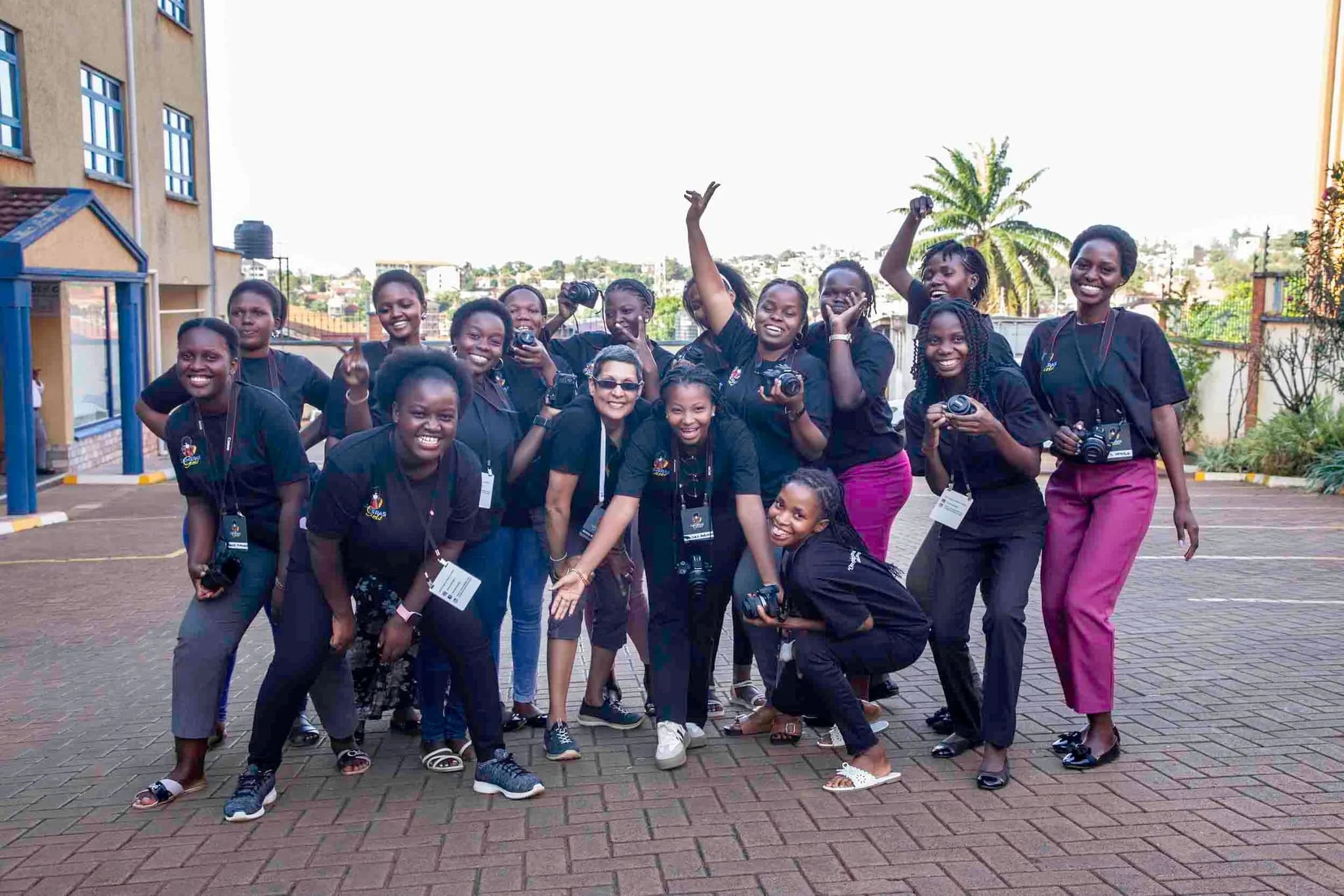
Since a first workshop in Kampala in August 2018, Cameras For Girls has trained young women in Uganda and Tanzania in photography, ethical storytelling and business skills. Each student keeps her camera.
On this page
The first Cameras For Girls workshop ran in Kampala, Uganda, from August 13 to 17, 2018. Its founder, Amina Mohamed, is a photographer and filmmaker with fifteen years in Canadian film and television. Her founder page says her family came to Canada as refugees from Uganda when she was three.
The program is built around one outcome. Its mission description says each student gets a camera and a year of training "to support their goals of finding paid work in male-dominated media spaces across Africa." The rest of this post is how that year runs, taken from the records Cameras For Girls publishes.
Each cohort starts with a four-day workshop in person, where students learn to operate their cameras. Then the class moves online. Every week on Zoom, Amina or a guest speaker teaches photography, ethical storytelling, business skills or mental health.
Students keep the kit: a camera, battery, charger, camera bag, lens cleaning kit, plug adapter, SD card and card reader. They can also apply for a mentor, and are paired for six months of weekly meetings.
No comments yet. Be the first to start the conversation.
Sign in to join the discussion.
Sign InCameras For Girls publishes its working documents next to its photographs. They include the full training files for the 2018 workshop, a camera manifest for the 2019 cohort listing each camera and where it was sourced, and the curriculum for the 2026 workshop in Tanzania. The curriculum carries a note on one change.
This time we switched the mental health workshop from Day 3 to Day 1, and it was the best move, because it increased their trust in me and our organization.
The same note says the change "allowed them to safely share their experiences." It is a small, specific record of a program adjusting itself, and it is the kind of detail that rarely appears on a charity’s website.
A grant from Estée Lauder paid for an eight-month program with two parts. One trained trainers. The other, in the words of the narrative report, was "the expansion of 60 women from 15 in Uganda." Cohort 5 then ran as four back-to-back four-day workshops, taught by trainers from that program with NGO partners.
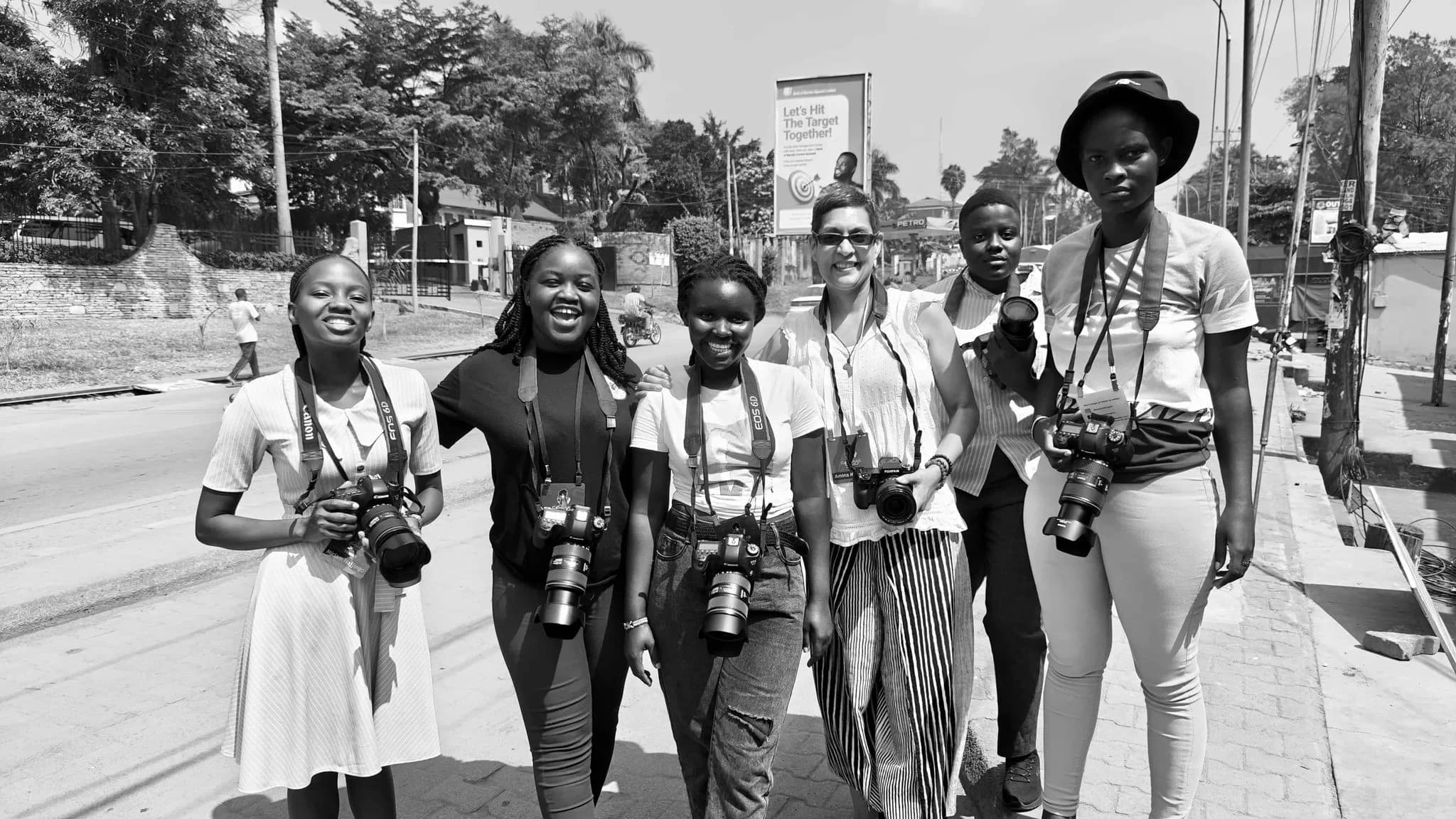
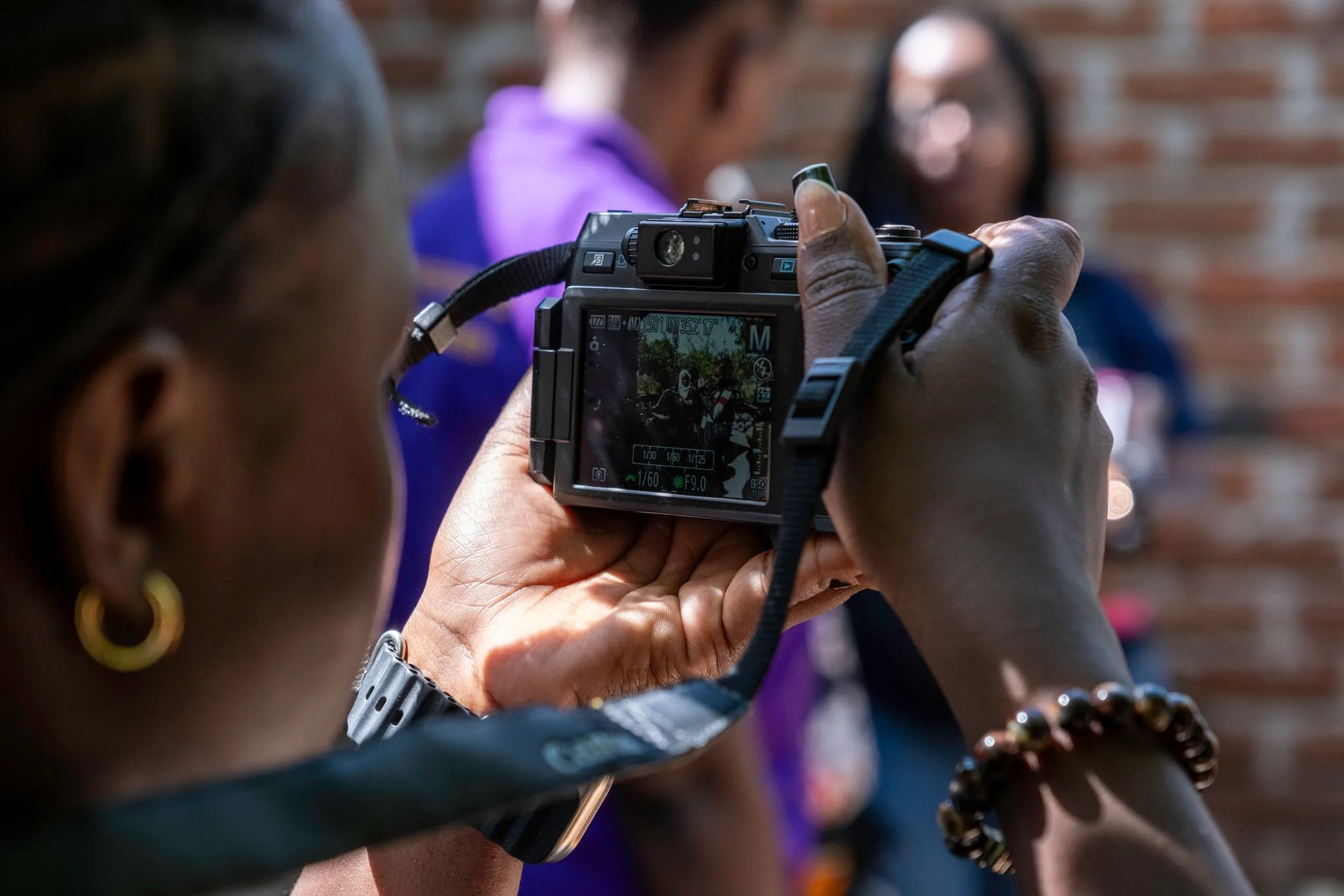
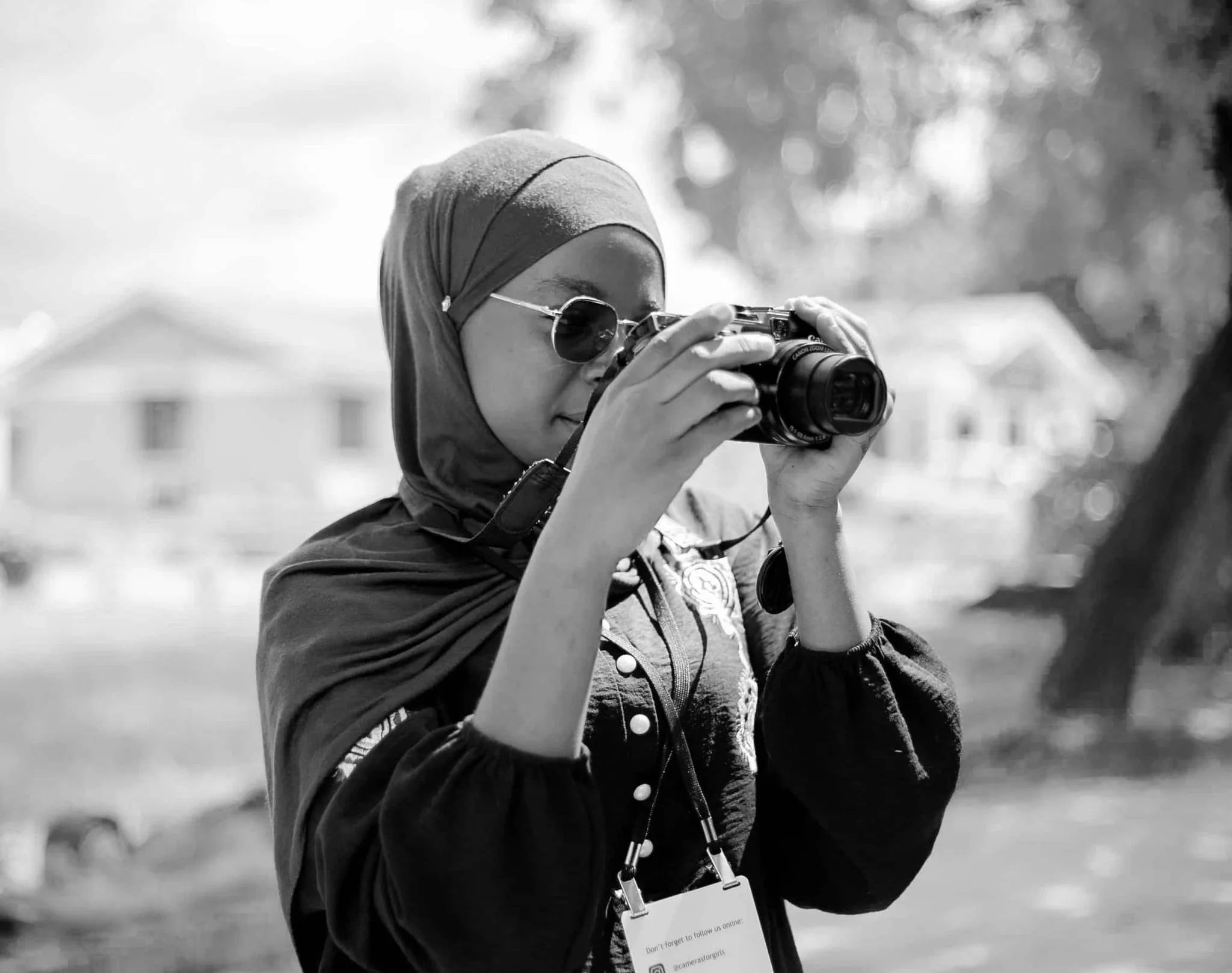
Cameras For Girls reviews students’ LinkedIn profiles when they ask. Its record of one review ends with the result: Elfrida Rutta "ended up getting a job in Arusha working in wildlife photography." The lens photograph above is hers.
The organization reports its totals through Nexus Impacts, and 4Planet shows them with that source attached. In mid-September 2026 they were:
364 hours of in-person training
785 hours of online training
65 mentors
50 hours of mental health and safeguarding sessions, run by partner organizations
74 LinkedIn profiles built
170 camera kits
These are the organization’s own counts, and 4Planet does not audit them. The Cameras For Girls mission page shows the current figures and where each came from.
Cameras For Girls was listed on 4Planet on August 29, 2026, as a Community Listed organization. Its mission is tagged to Good Health and Well-being, Quality Education, Gender Equality and Decent Work and Economic Growth.
It is a registered charity in Canada. Donations go to it directly, through its page or at camerasforgirls.org.

Written by
Written by the team that builds 4Planet. Profiles of listed organizations draw on their own published material and link to it.