Haiti Empowered: schools, meals and a clinic along Route 2
4Planet·
Oct 13, 2026
·6 min read
4Planet
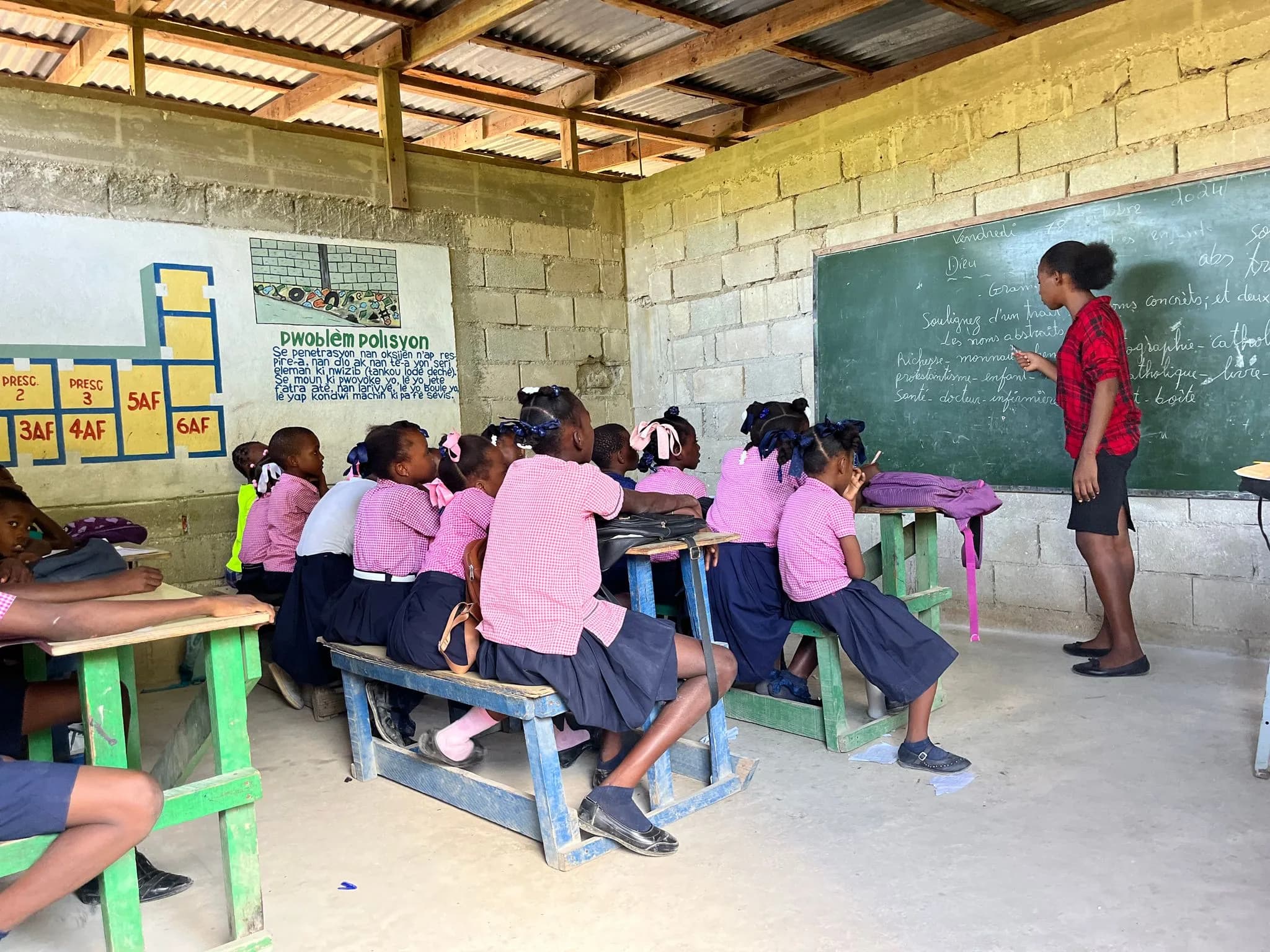
Goal 4 moved the measure of education from whether children are enrolled to whether they learn. Five organizations listed on 4Planet teach at five different stages, from pre-kindergarten in Haiti to trade classes in Rwanda.
On this page
Enrolment is the easiest education figure to collect: a school knows who is on its register. Goal 4 put a harder question at the top. Its first target asks that girls and boys complete primary and secondary school "leading to relevant and effective learning outcomes," and the indicator behind it asks whether children reach a minimum standard in reading and mathematics.
That change exposed a gap that attendance figures had hidden. Years spent in a classroom and skills acquired there turned out to be different numbers.
Ensure inclusive and equitable quality education and promote lifelong learning opportunities for all.
Seven of Goal 4’s ten targets are outcomes, and they follow a person through life:
4.1 primary and secondary school, completed, with real learning
4.2 early childhood development and pre-primary education
4.3 affordable technical, vocational and university education
4.4 skills for jobs, decent work and starting a business
4.5 equal access for girls, people with disabilities and children in vulnerable situations
4.6 literacy and numeracy for all young people and most adults
4.7 the knowledge to live sustainably, including human rights and a culture of non-violence
The other three, lettered 4.a to 4.c, are the means: safe school buildings, scholarships, and more qualified teachers.
No comments yet. Be the first to start the conversation.
Sign in to join the discussion.
Sign InFinding out whether children can read takes an assessment, and not every country takes part in the international ones. Coverage is thinnest in school systems where reading levels are likely to be lowest, so the global picture is least reliable where it matters most.
Six of Goal 4’s twelve indicators have an agreed method but no regular data from most countries. The gaps fall hardest past school age. Vocational training and adult literacy have far fewer measurements than schooling, so most learning after about eighteen barely shows up in the global figures.
The missions on 4Planet tagged to Goal 4 reach nearly every stage the targets name. Five examples, from organizations listed here:
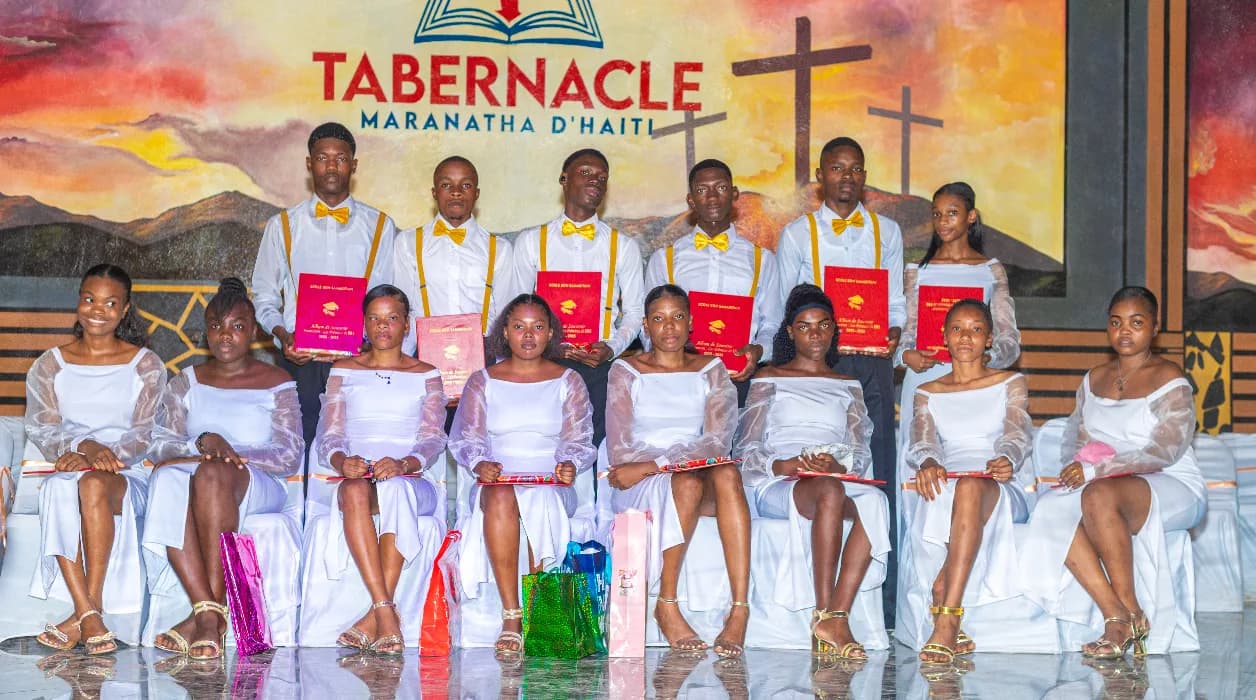
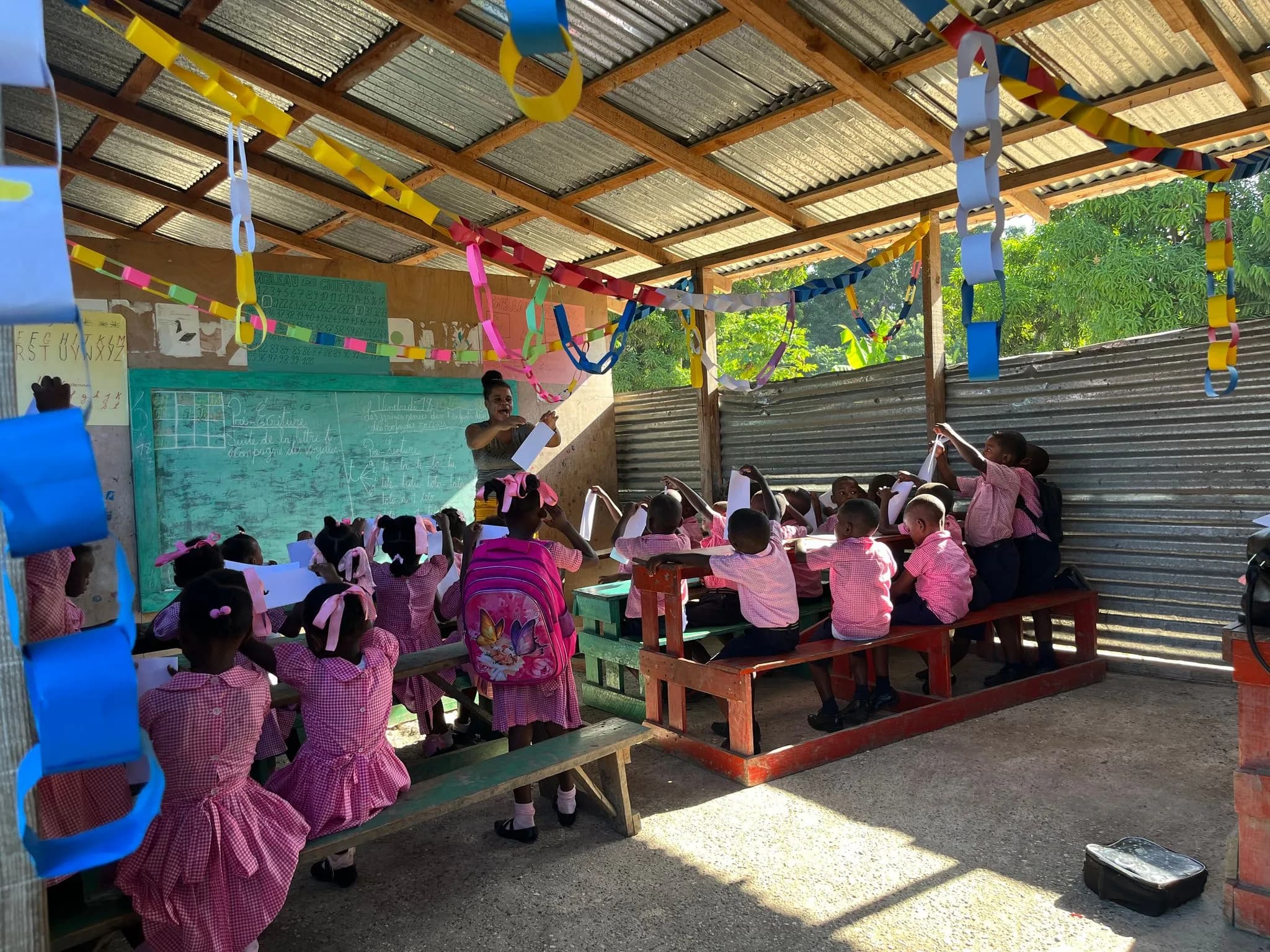
Haiti Empowered teaches from pre-kindergarten to grade 13 in the Léogâne region of Haiti, with a meal every school day (targets 4.1 and 4.2).
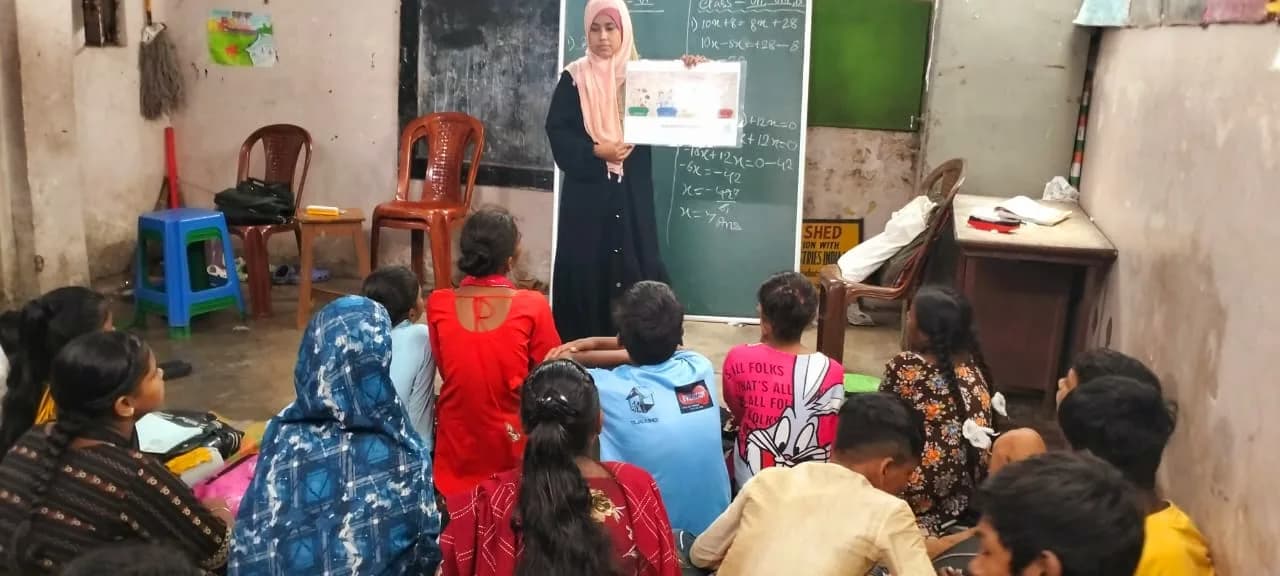
Tiljala SHED runs after-school learning centres in Kolkata for children from rag picker and squatter communities (4.5).
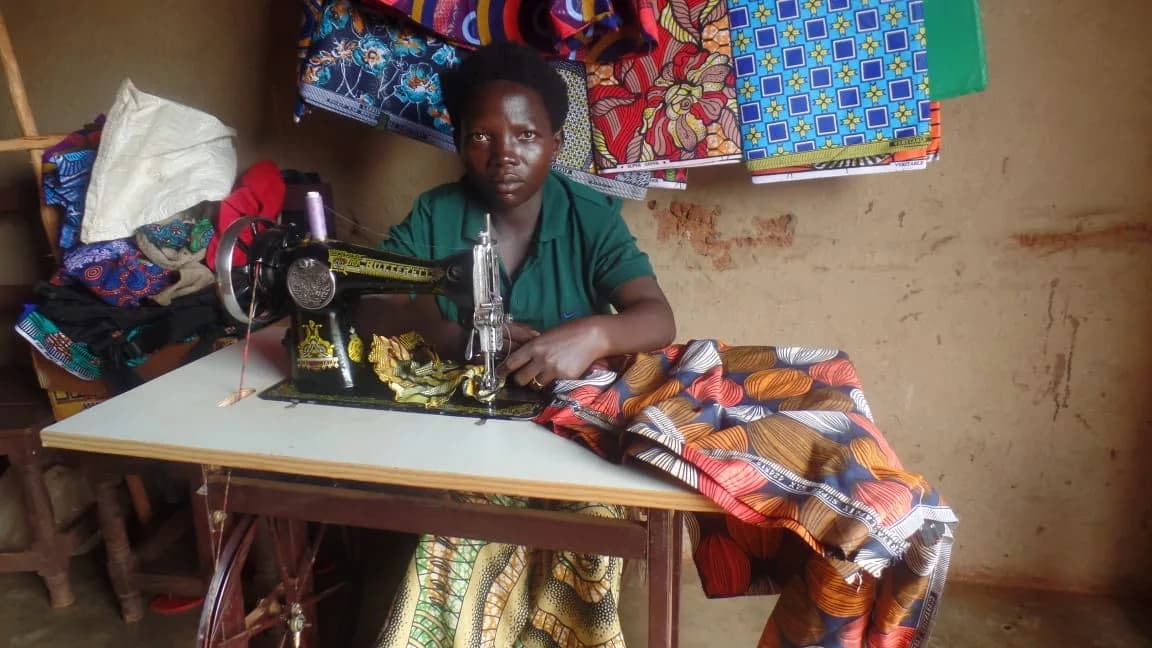
Friends Peace House teaches five trades at the Mwana Nshuti Vocational Training School in Rwanda (4.3 and 4.4).
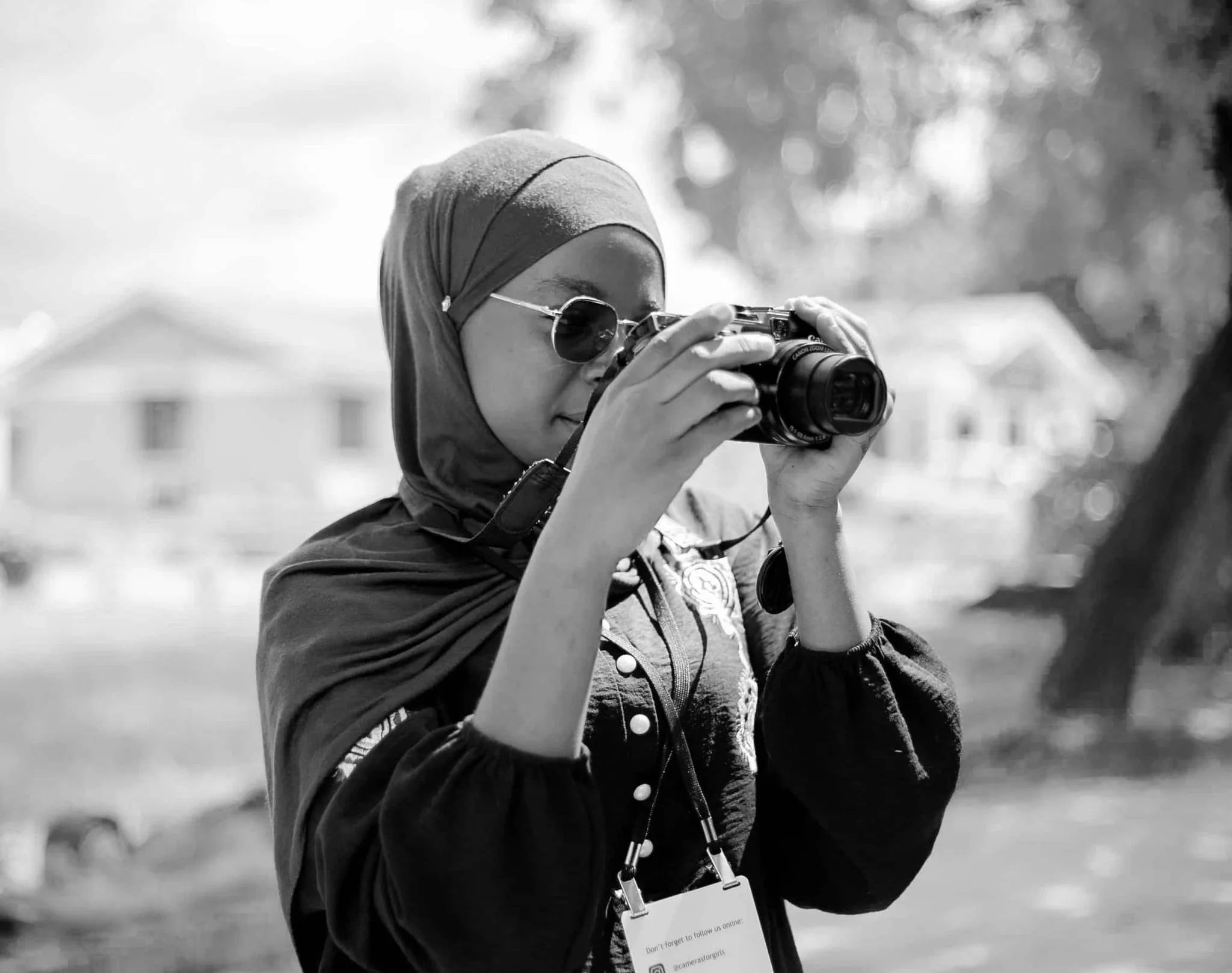
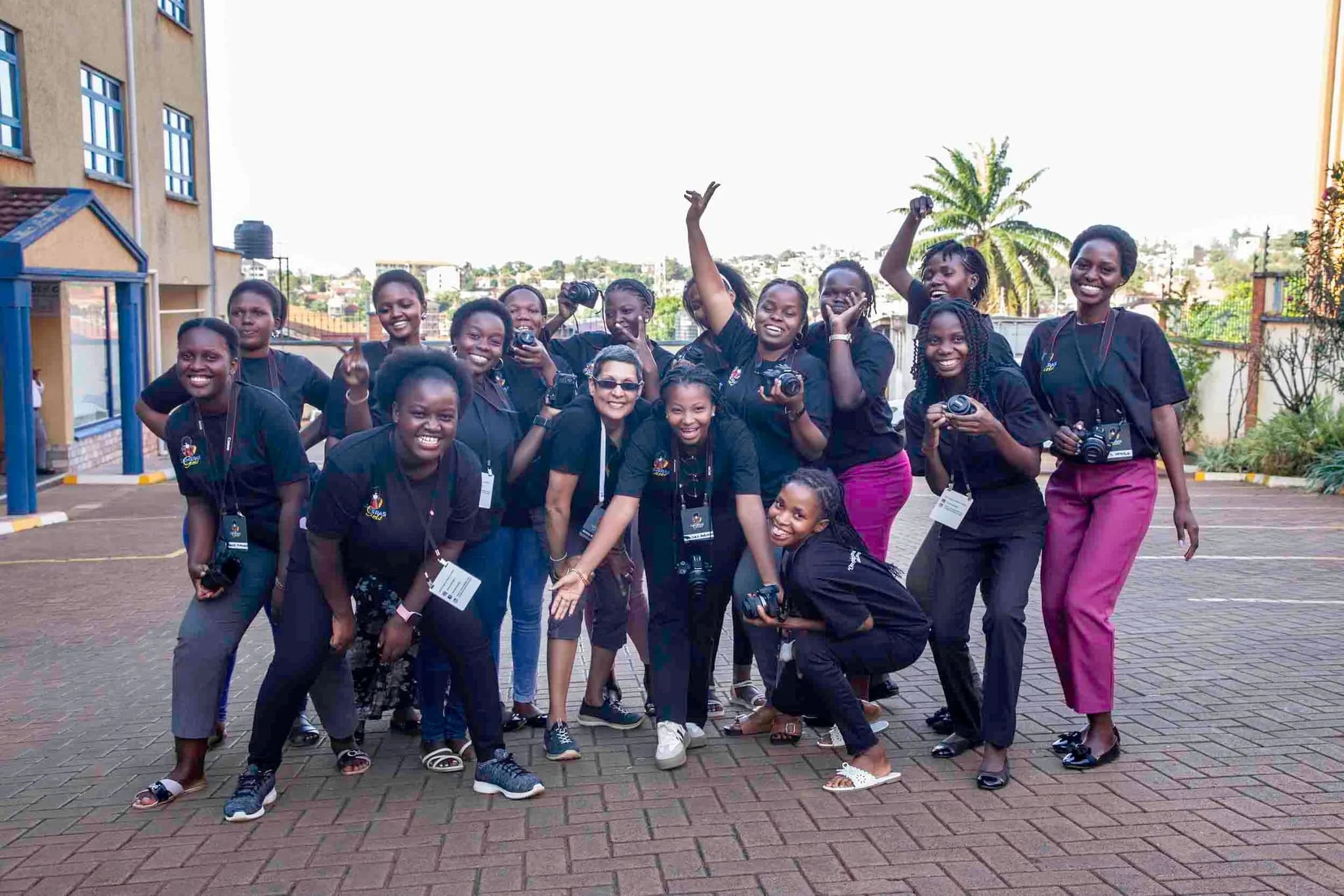
Cameras For Girls trains young women in Uganda and Tanzania in photography, ethical storytelling and business skills (4.4 and 4.5).
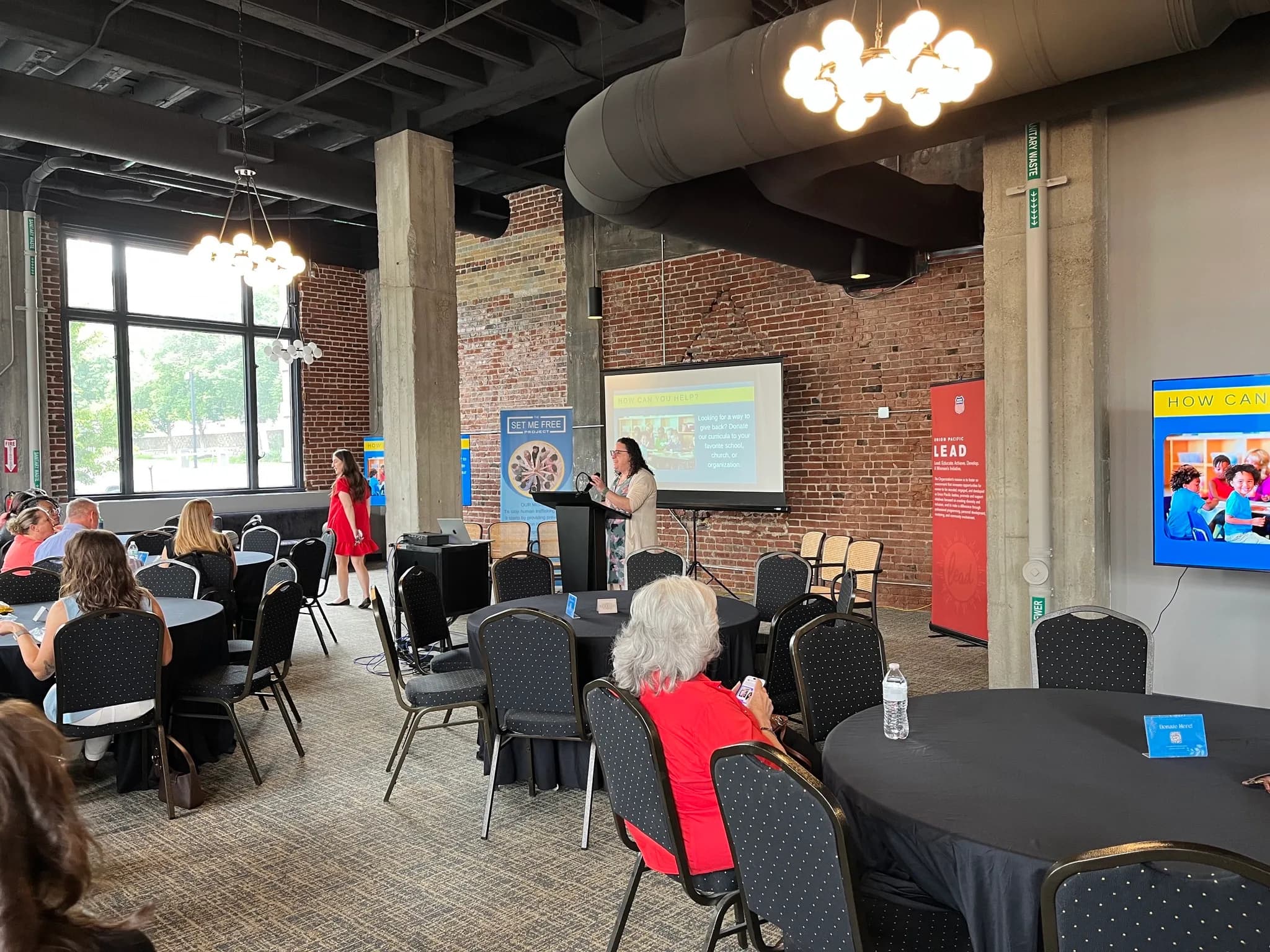
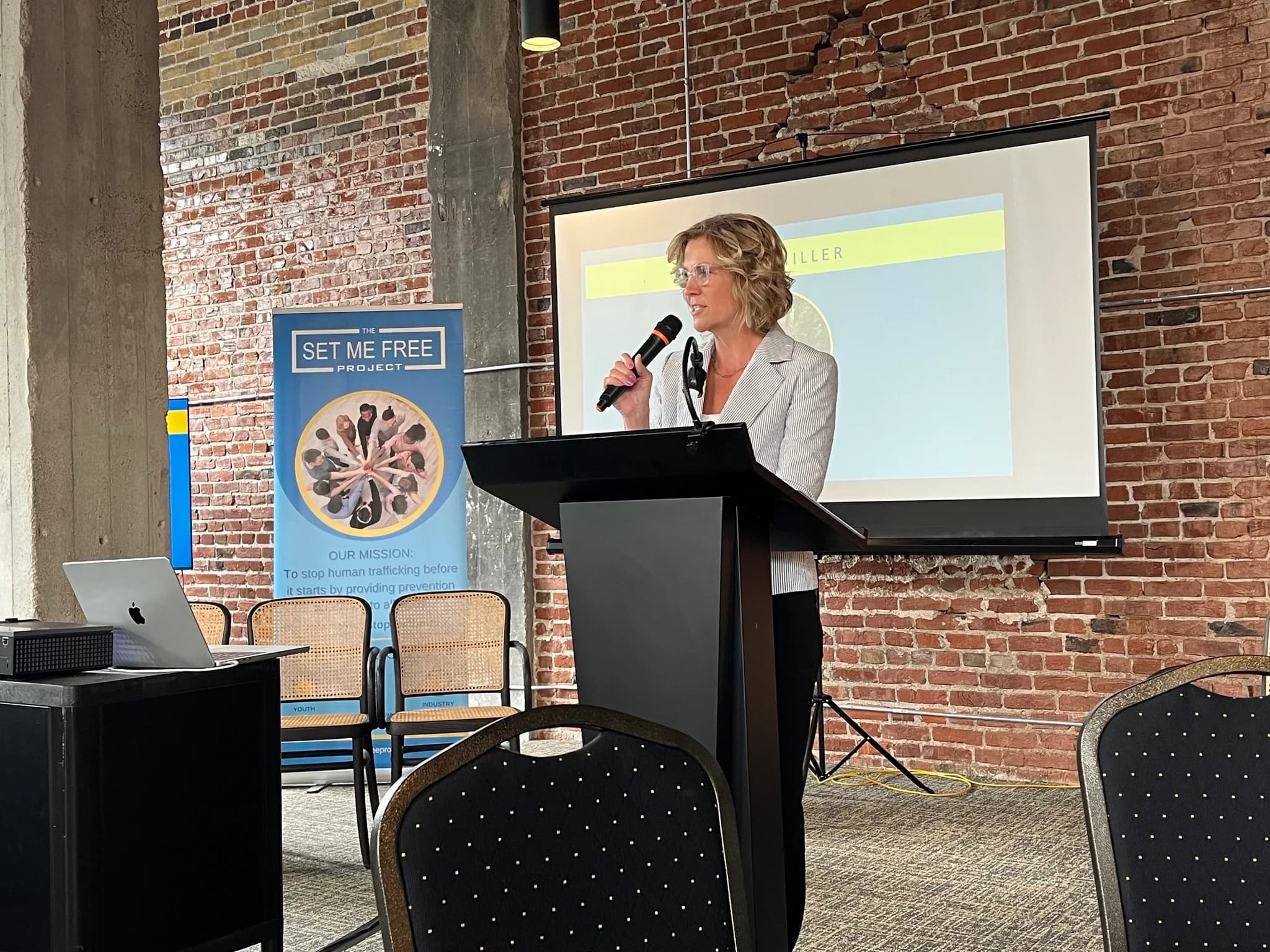
The Set Me Free Project writes human trafficking prevention lessons for students from kindergarten to grade 12 (4.7).
Most education figures that organizations report measure the same things the global framework finds easiest: days attended, students enrolled, graduates. They are worth having, and they show that teaching happened. They are not evidence of what was learned.
The rarer figures get closer. Haiti Empowered reports 139 students on its first honor roll, for fall 2025, which is a measure of results, not attendance. Friends Peace House reports graduates who hold a government certificate, which means someone outside the school assessed them.
Written by
Written by the team that builds 4Planet. Profiles of listed organizations draw on their own published material and link to it.