Goal 4: from counting pupils to counting what they learn
4Planet·
Sep 22, 2026
·5 min read
4Planet
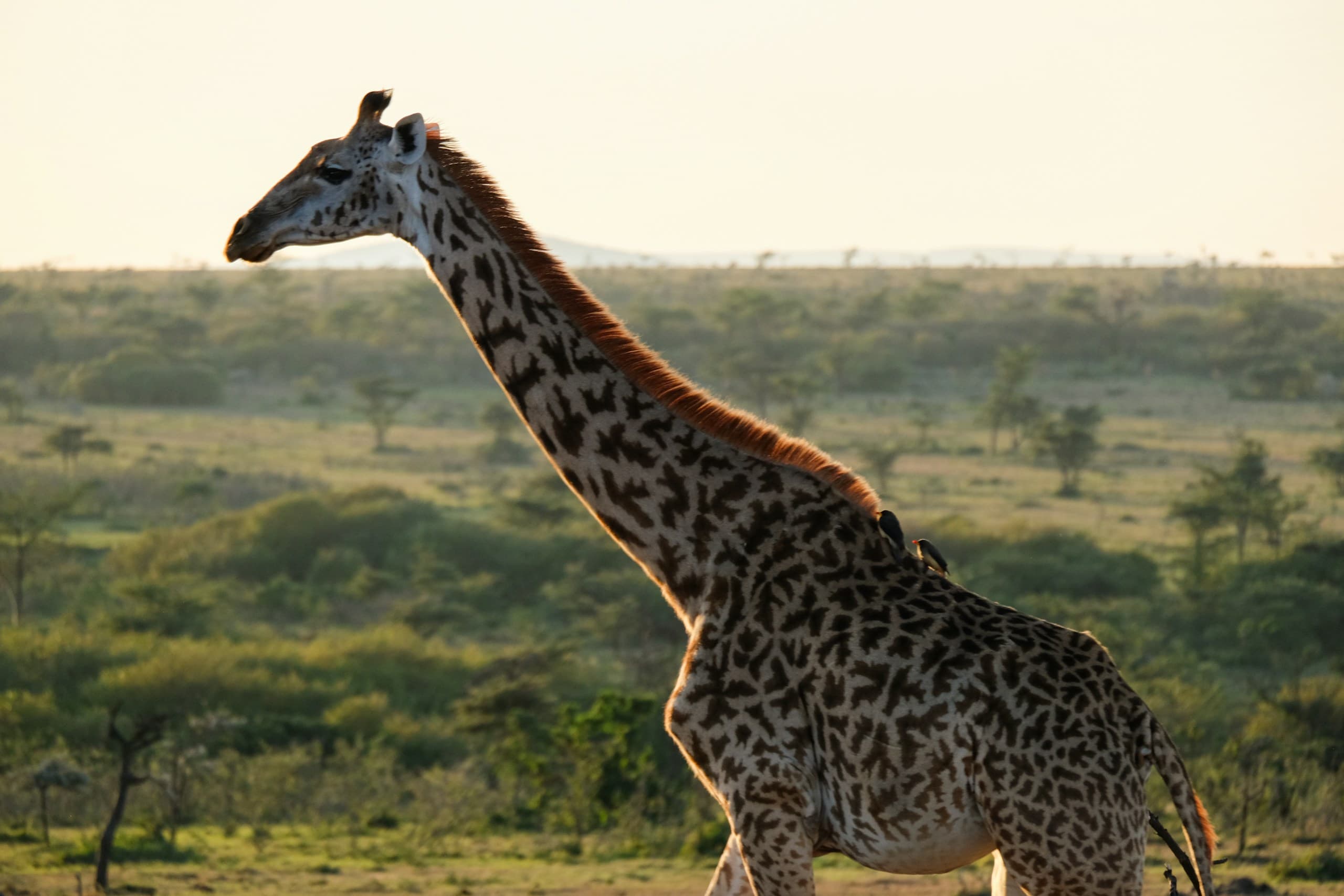
Goal 15 covers forests, drylands, mountains, species and the money behind them. It is better measured than most environmental goals, and its measurements are narrower than its wording.
On this page
Goal 15 asks for five separate things in one sentence: protect and restore land ecosystems, manage forests sustainably, combat desertification, halt and reverse land degradation, and halt the loss of biodiversity. Its twelve targets then add species trafficking, invasive species and the financing behind all of it.
Nine of the twelve targets are outcomes. Five of them carried a 2020 deadline, including an end to deforestation (15.2) and preventing the extinction of threatened species (15.5). Those years have passed, and the targets remain in the framework as written. Two more, on restoring degraded land (15.3) and conserving mountain ecosystems (15.4), run to 2030.
One target is unusually direct about a crime:
Take urgent action to end poaching and trafficking of protected species of flora and fauna and address both demand and supply of illegal wildlife products.
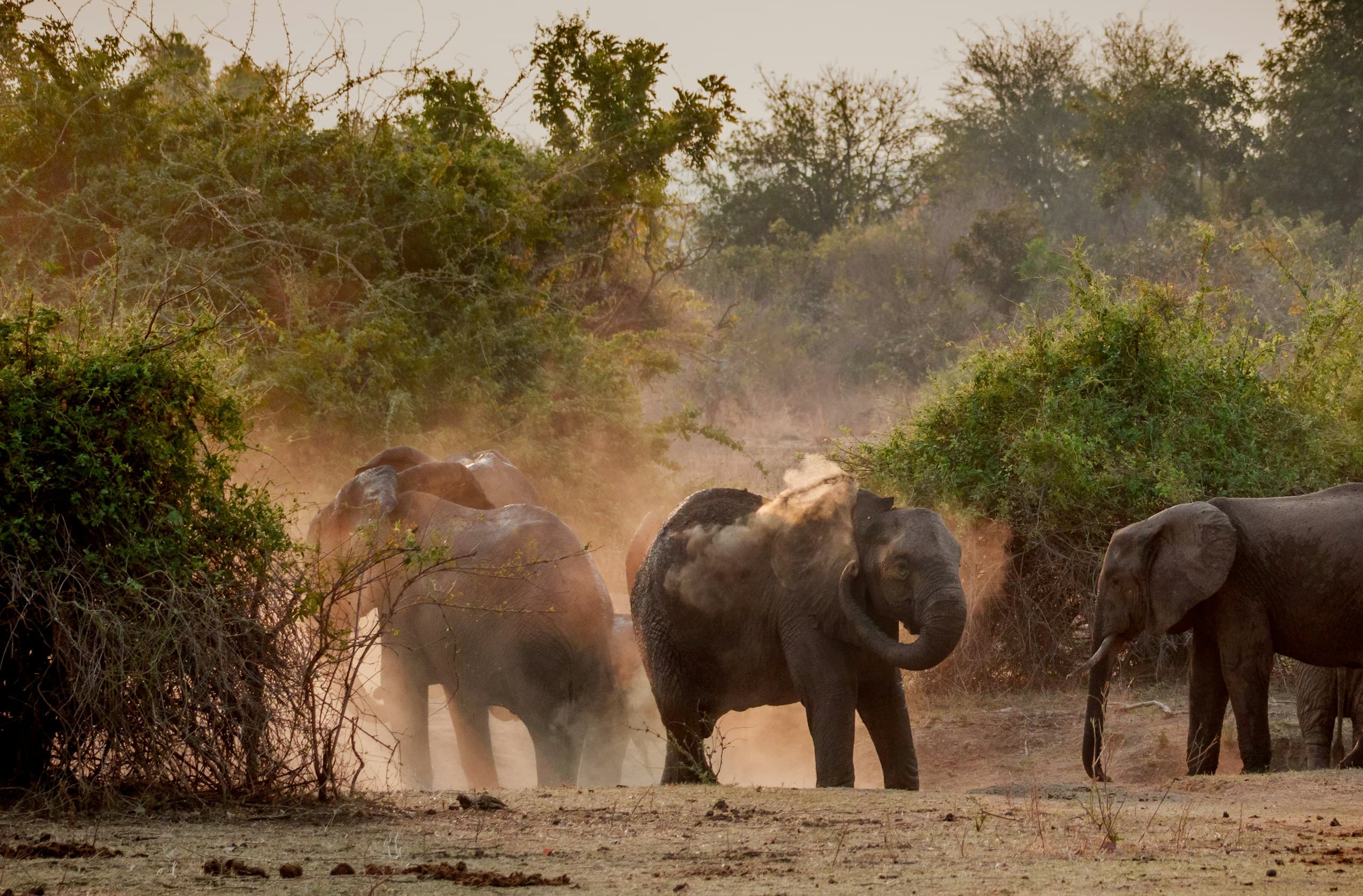
Goal 15 leans on satellite imagery and on long-running conservation records, which gives it more regular reporting than most environmental goals. Only 3 of its 14 indicators lack regular data from most countries.
Those instruments capture less than the goal’s wording suggests. The forest indicator counts hectares, so a plantation of a single species and an old-growth rainforest weigh the same, and planting in one place can hide clearing in another.
The Red List Index tracks extinction risk only for groups of species that have been fully assessed, mostly vertebrates and a few groups of plants and invertebrates. Most described species have never been assessed. Most species have never been described.
No comments yet. Be the first to start the conversation.
Sign in to join the discussion.
Sign InProtected area coverage, meanwhile, measures lines on a map. Whether a protected area has rangers, a budget or any enforcement at all sits outside the indicator.
The gaps suggest what to ask of any reforestation or conservation work. What was planted, and is it a single species? Who looks after the land once the planting season ends? Is the area reported by what went into the ground, or by what survived?

Written by
Written by the team that builds 4Planet. Profiles of listed organizations draw on their own published material and link to it.