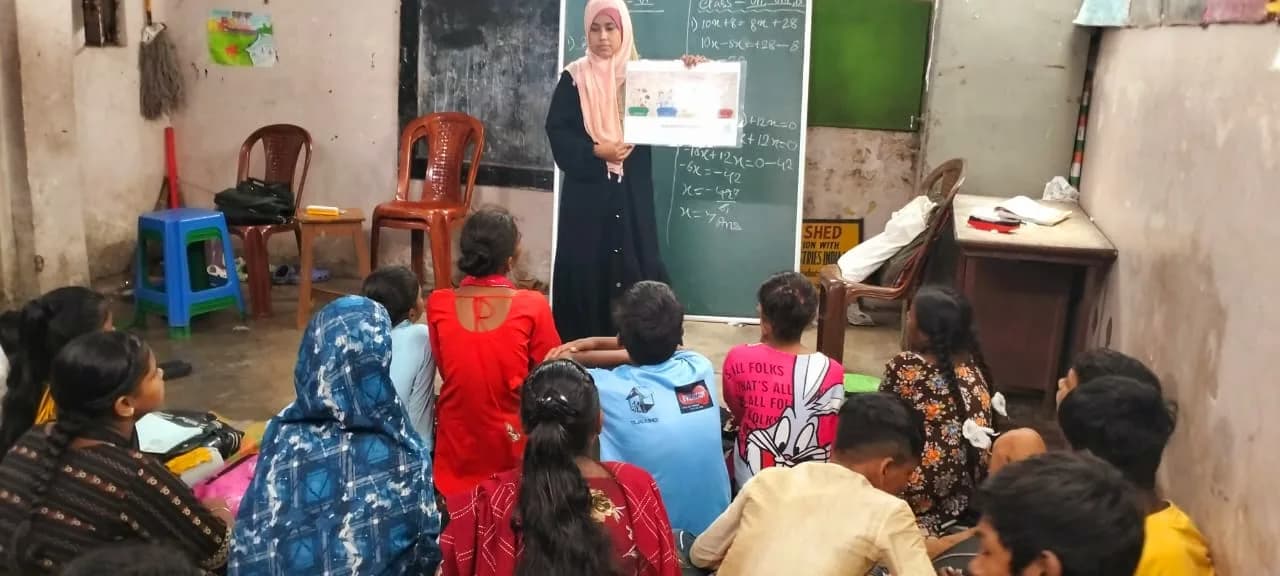
Tiljala SHED: learning centres for the children of Kolkata’s rag pickers
4Planet·
Oct 27, 2026
·3 min read
4Planet
Goal 2 ties ending hunger to the farming that feeds people. Three organizations listed on 4Planet report more than 230,000 meals between them, and their records show the work behind a single plate.
On this page
Goal 2 joins two questions that often get separate answers: whether people have enough to eat, and whether the farms producing that food can keep producing it. Its targets run from hunger and stunted growth in children to farm incomes, seed diversity and the trade rules that distort food markets.
End hunger, achieve food security and improved nutrition and promote sustainable agriculture.
Five of the eight targets are outcomes. Two are about people: ending hunger (2.1), and ending malnutrition, including stunting and wasting in children under five (2.2). Three are about farming: doubling the productivity and incomes of small-scale food producers (2.3), resilient food production (2.4), and keeping the genetic diversity of seeds and livestock (2.5).
The lettered targets cover investment in rural infrastructure and research, fair agricultural trade, and swings in food prices. On 4Planet, Love a Village’s agriculture mission in Malawi sits in the farming half, with conservation agriculture training, a livestock pass-on scheme, small-scale irrigation, grain banks and beekeeping.
The two halves can pull against each other. Raising yields can cut hunger quickly while drawing down the water, soil and wildlife that Goals 6 and 15 are trying to protect.
The headline measure, the prevalence of undernourishment, is modelled. It is estimated from national food supplies and assumptions about how food is shared out, and past years are revised as those inputs improve.
Malnutrition is measured separately, by surveys that weigh and measure children. A country can improve on calories and get worse on nutrition in the same year. Of the goal’s 15 indicators, 5 have no regular data from most countries, and the farming half is the least visible.
Among the organizations listed on 4Planet, school meals are the most common way this goal shows up. Three report meal counts through Nexus Impacts:
No comments yet. Be the first to start the conversation.
Sign in to join the discussion.
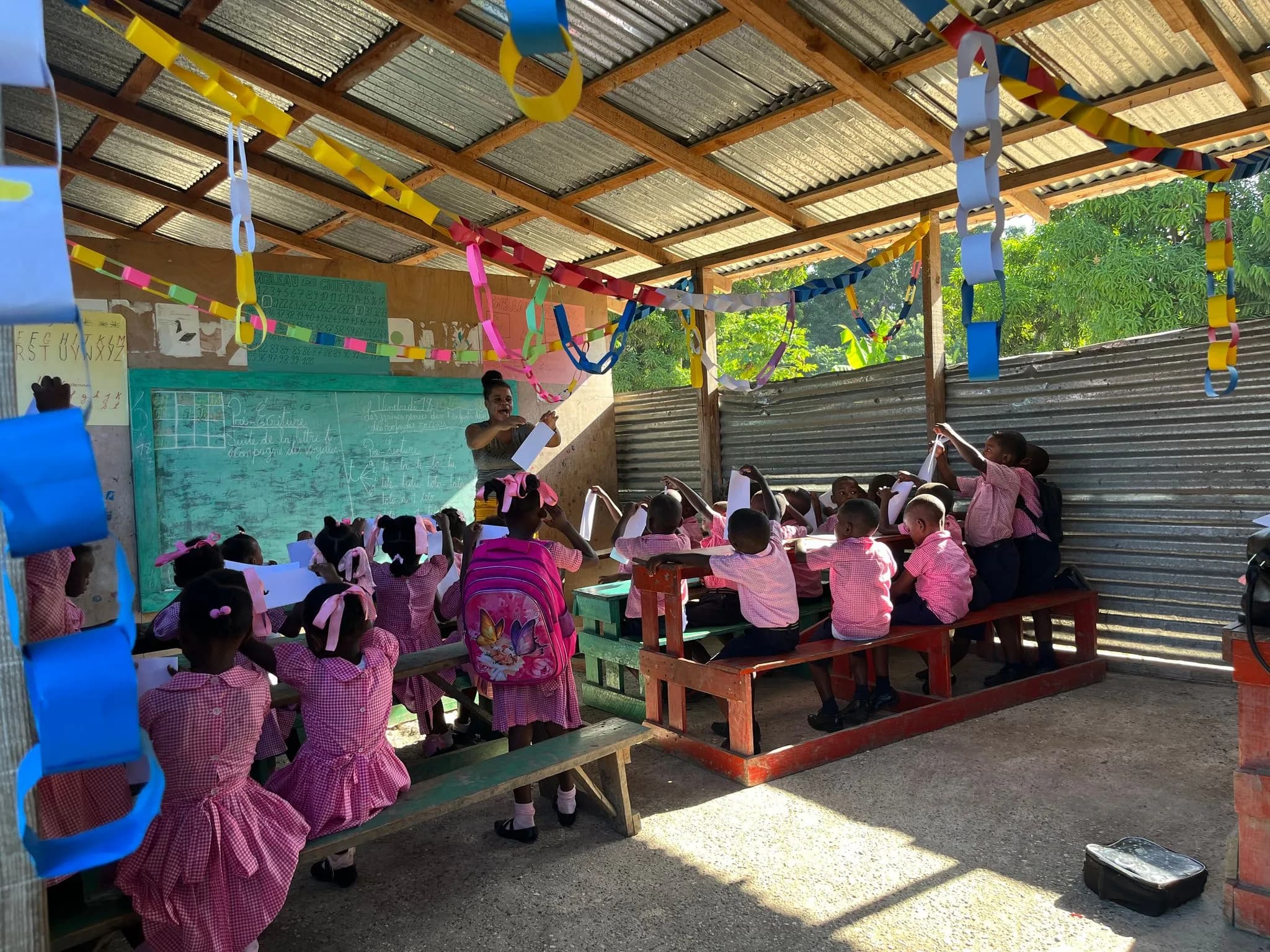
Sign InHaiti Empowered reports 127,609 meals. Every student gets one meal a day, and families can collect food when school is out.
Be Humanitarian reports 99,400 meals from 2019 to 2025 for children in its program in Guatemala, and says it currently provides 9,828 meals a month by giving each family groceries.
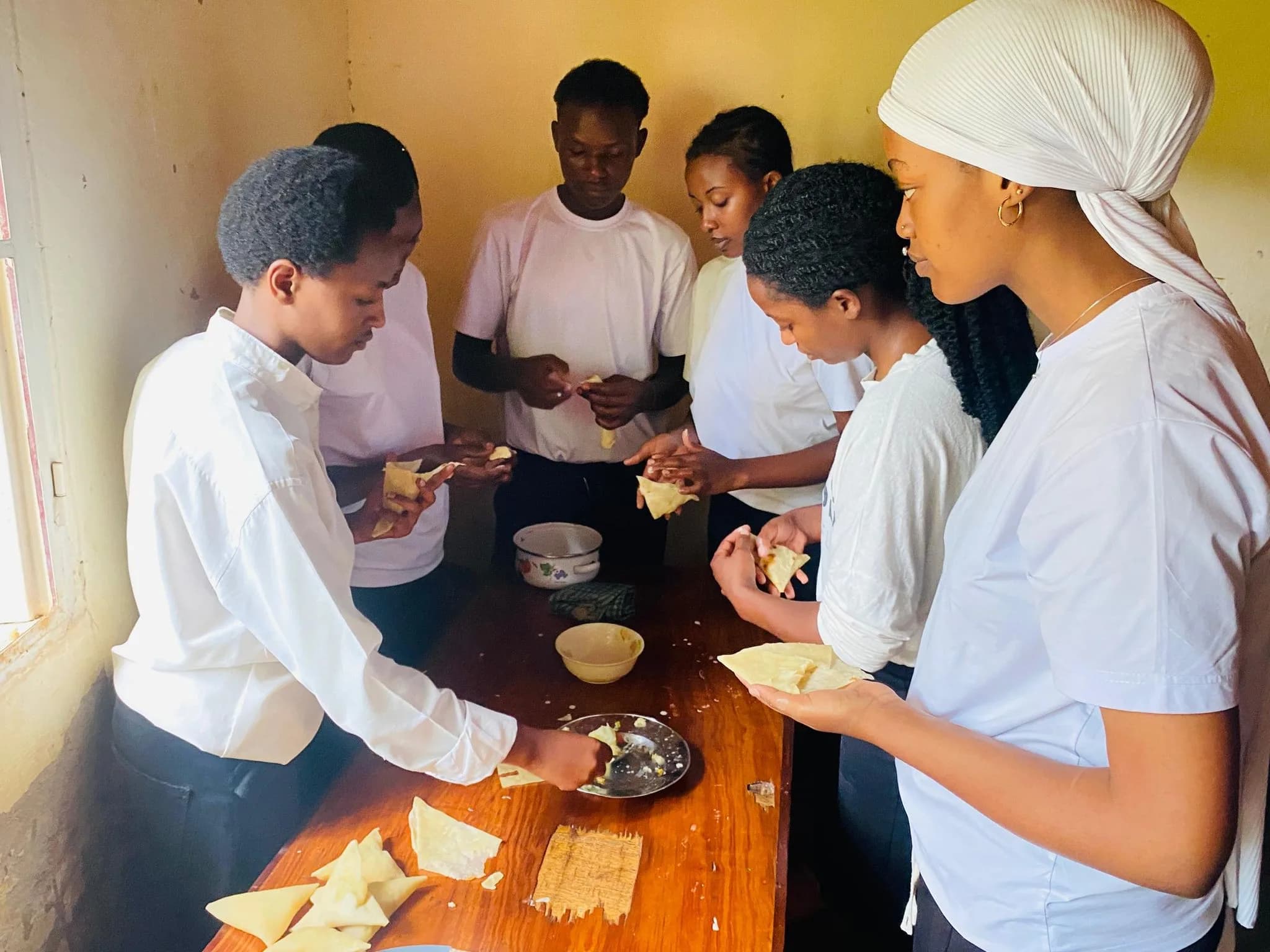
Friends Peace House reports 12,825 meals for students at its vocational school in Rwanda.
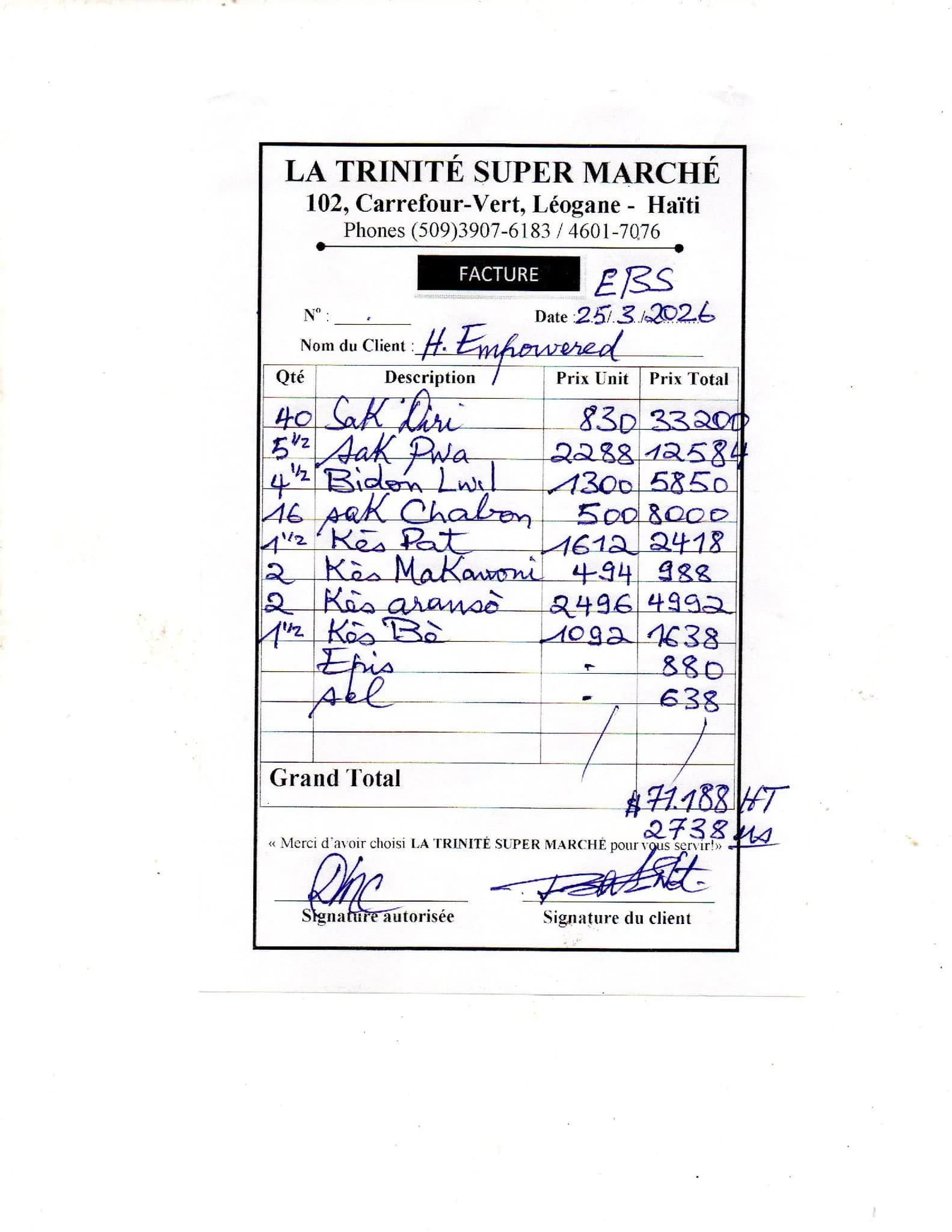
Those totals are the organizations’ own, read in mid-September 2026, and 4Planet does not audit them. Haiti Empowered’s records show what sits behind its figure. Each month its team buys rice, beans, paste and legumes from local vendors, stores them in a warehouse, divides them between the schools, and cooks them there.
Tiljala SHED works on a smaller scale in Kolkata, giving children milk and seasonal fruit three times a week at two of its learning centres.
A meal count shows that food was served. It does not show whether a child is better nourished, which is the same gap Goal 2’s own measurement struggles with. Figures that come closer, such as a child’s growth over a school year, are rarer and harder to collect, for organizations and governments alike.

Written by
Written by the team that builds 4Planet. Profiles of listed organizations draw on their own published material and link to it.